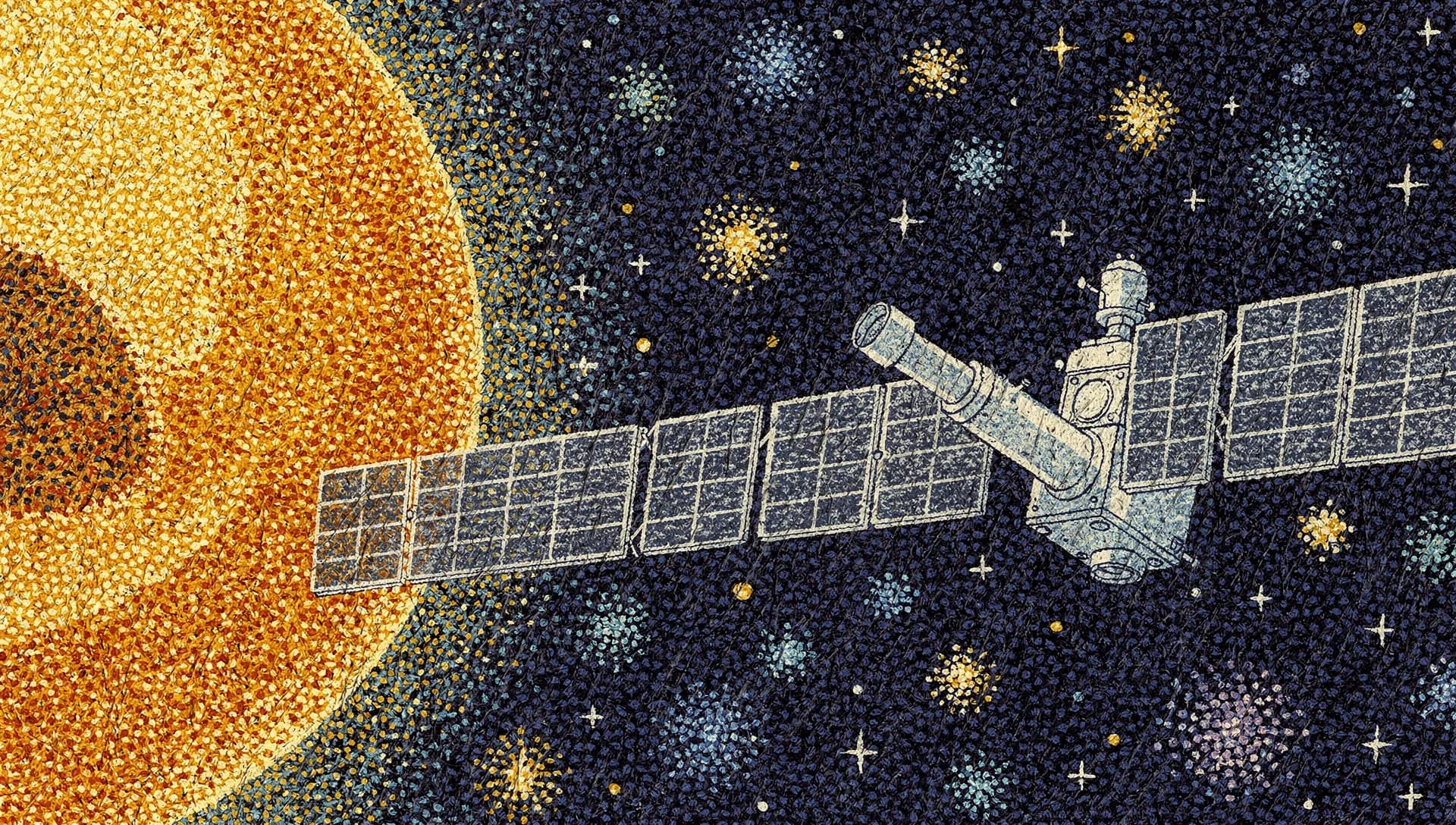
A Guide to Solar Observatories
The Observatories dashboard shows live Sun images—here’s what to look for without getting lost.
Read article
Deep dives into solar physics, geomagnetic phenomena, and the technology powering our space weather monitoring network.
The Observatories dashboard shows live Sun images—here’s what to look for without getting lost.
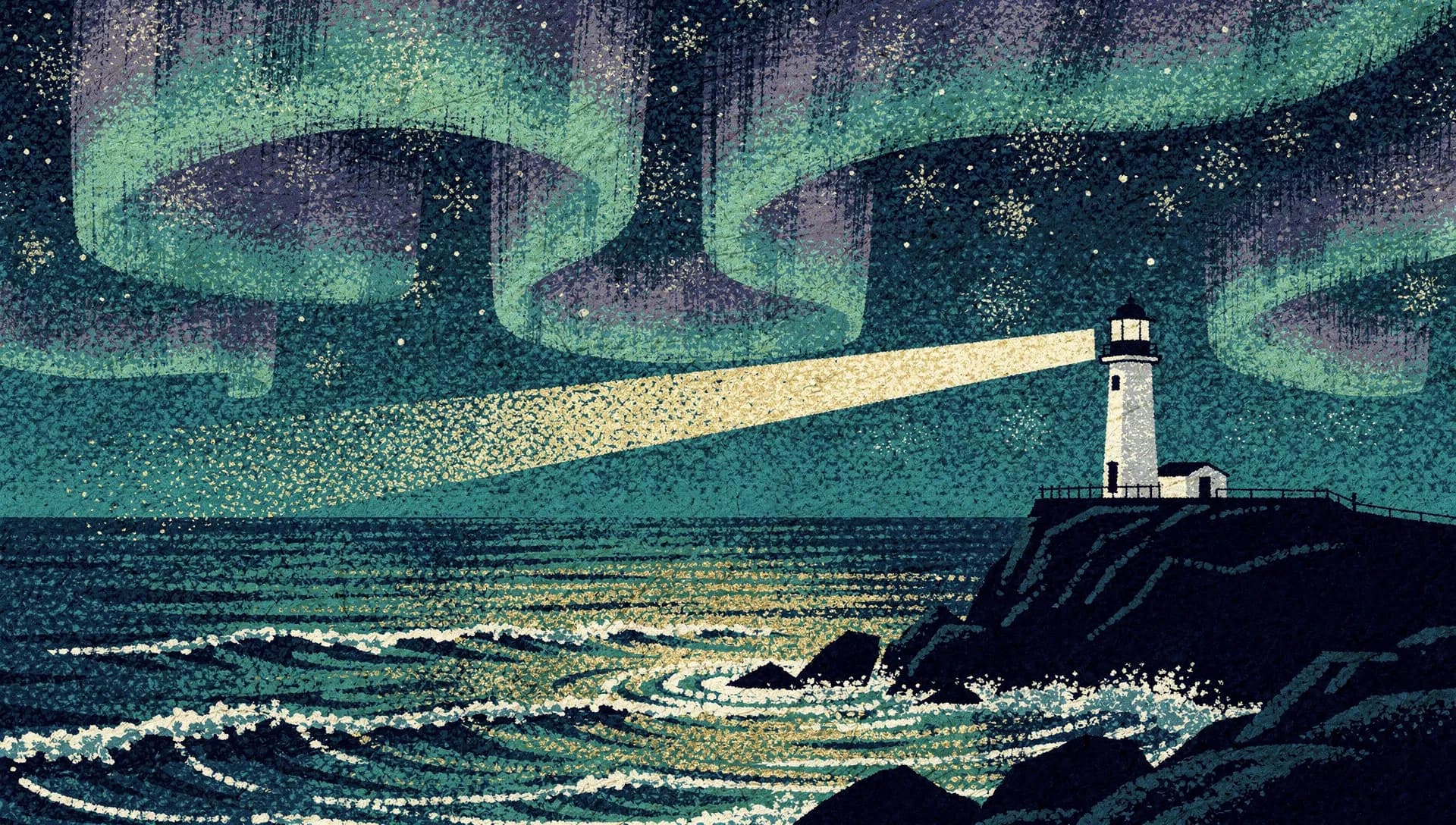
Alerts tell you when space weather is calm vs stormy, and what to do next.
For auroras, solar wind speed and “Bz” usually matter more than almost anything else.
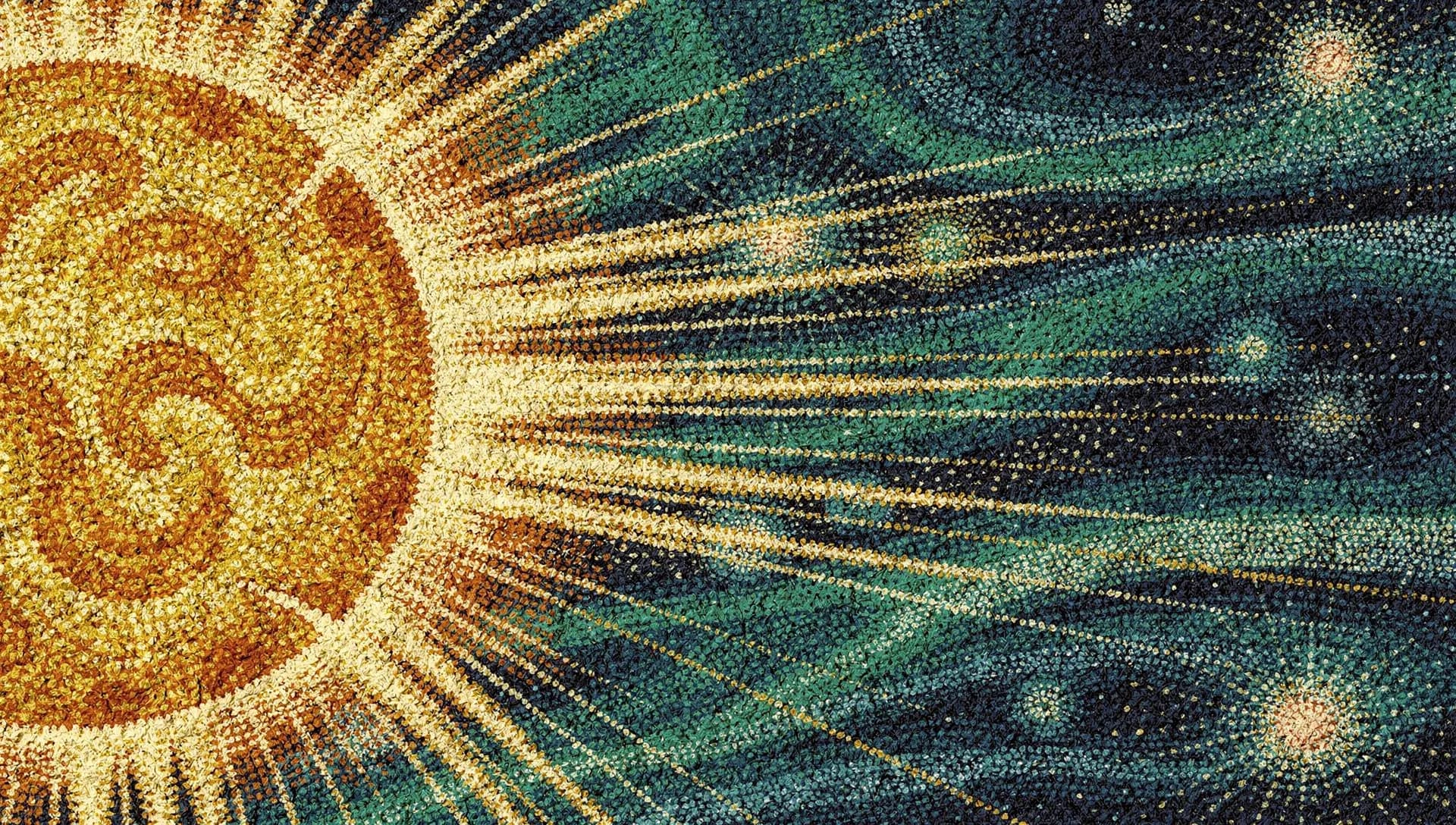
This dashboard answers: “Is the Sun flaring right now, and are particles becoming dangerous?”
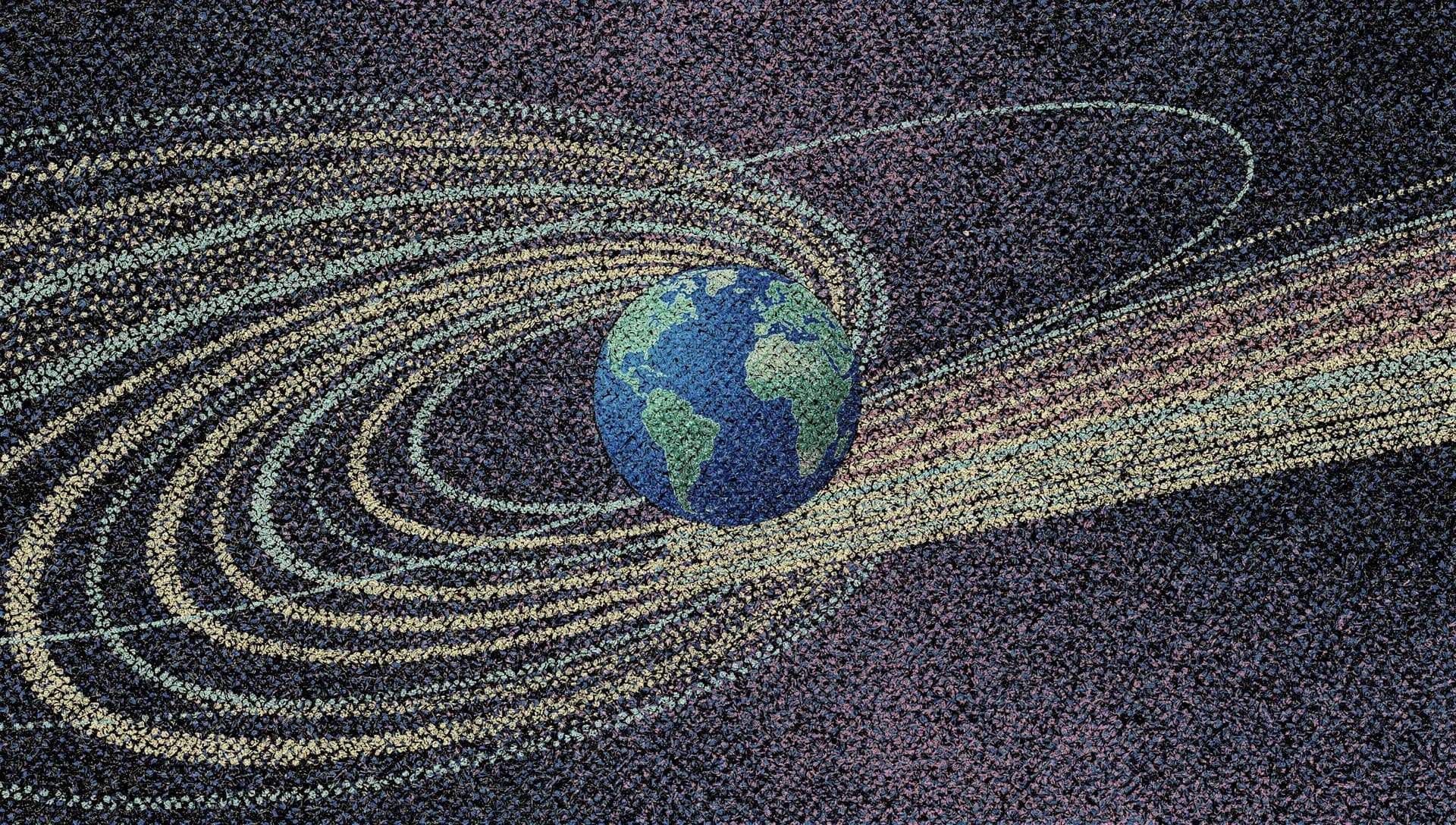
Kp is a simple “storm strength” score—higher Kp often means auroras can be seen farther south.

Kp alone will not tell you whether to go outside. Here is the full check — geomagnetic latitude, Bz, darkness and cloud — and how to stop chasing nights that were never going to work.
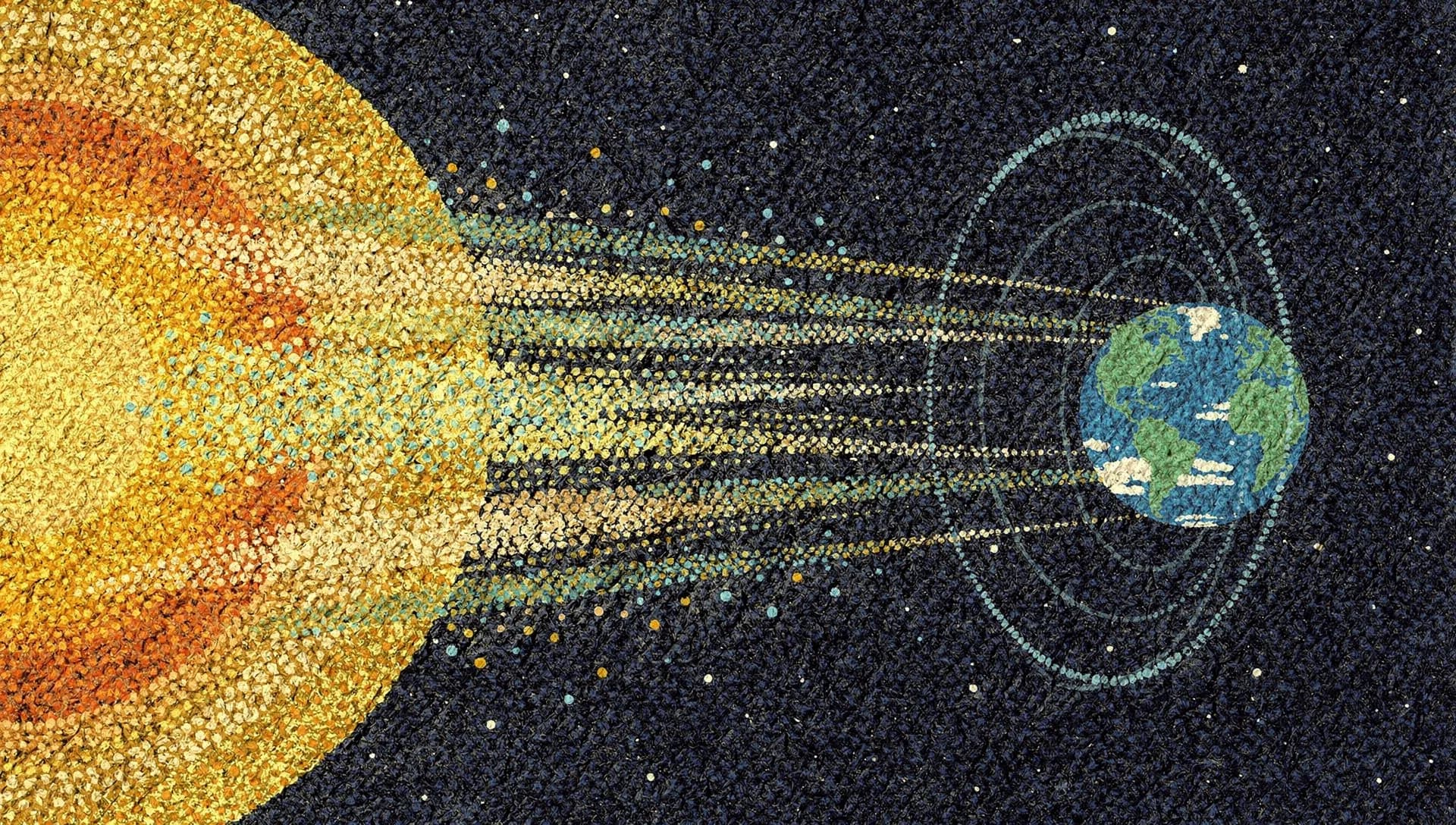
Space weather is “Sun weather” that can disrupt tech on Earth—and create auroras. Here is what actually causes it, what the numbers mean, and how to read tonight.
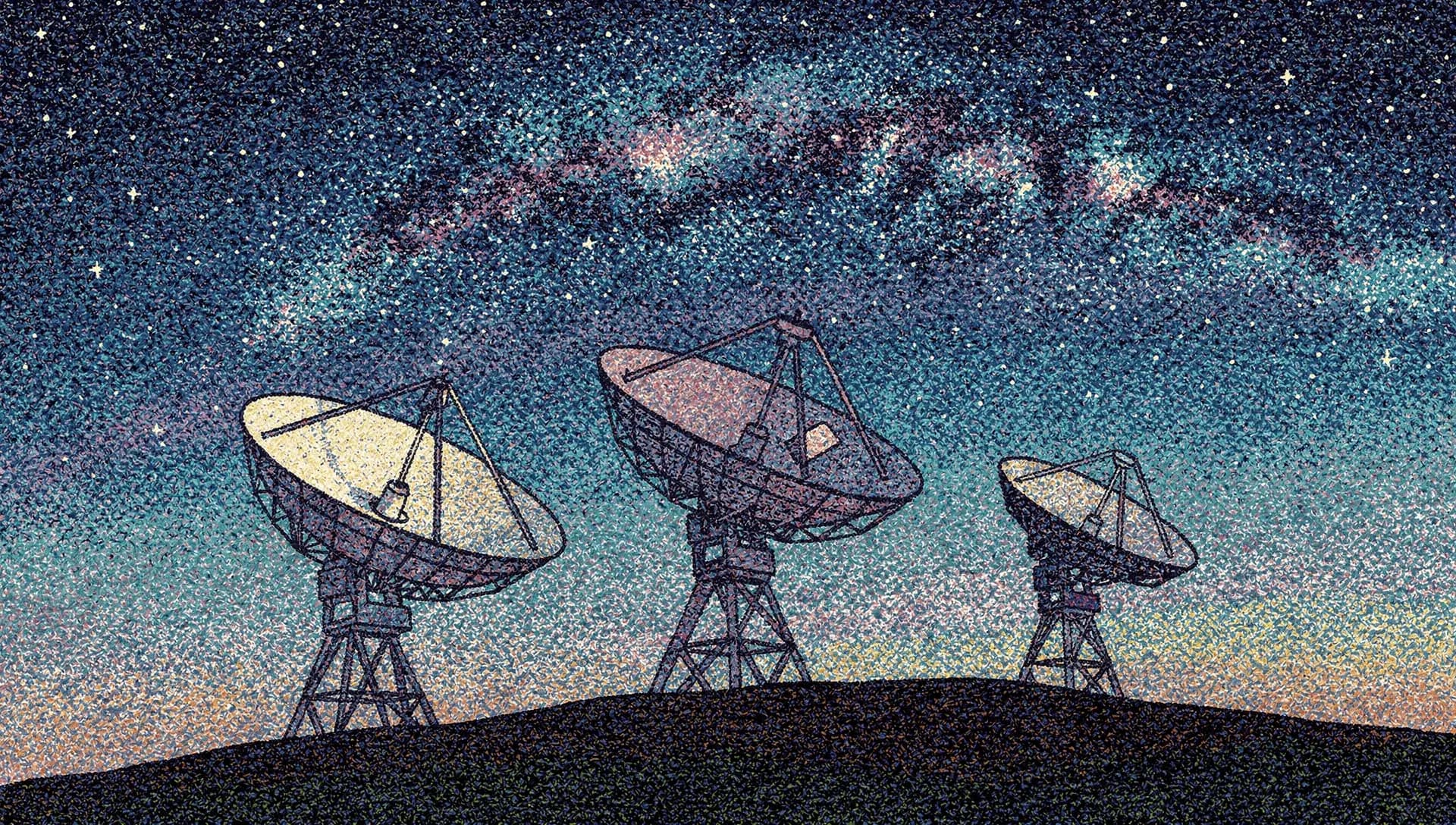
They are not really competitors. NOAA issues the official alerts, ESA runs the science missions, and the raw feeds need translating. Here is who produces what.

Kp is the storm size, Bz is the on/off switch, and the G/S/R scales are three different things people constantly mix up. A plain-English guide to the numbers.
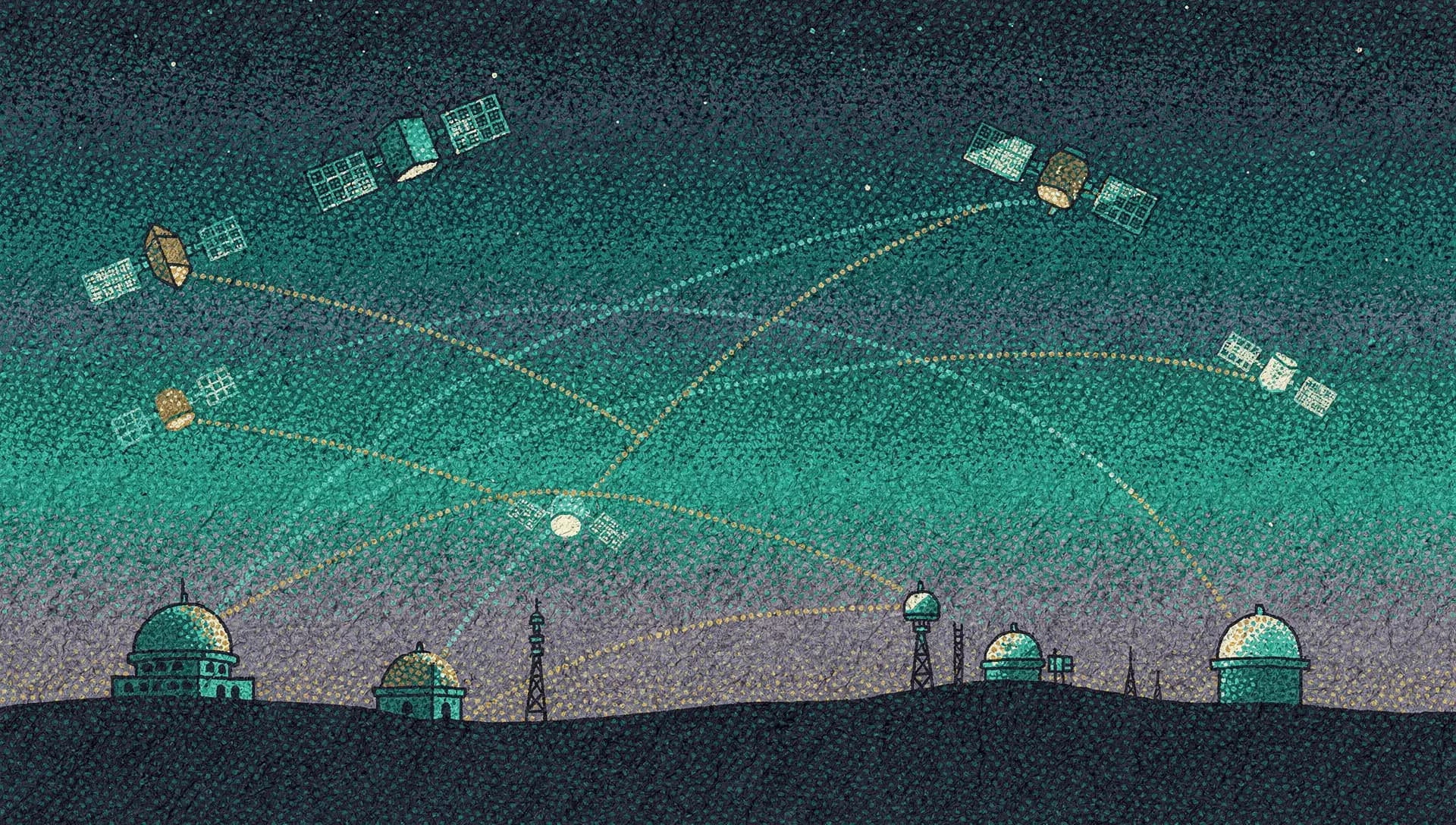
The five space weather sites worth bookmarking, what each is actually good at, and which one to open first depending on what you need.
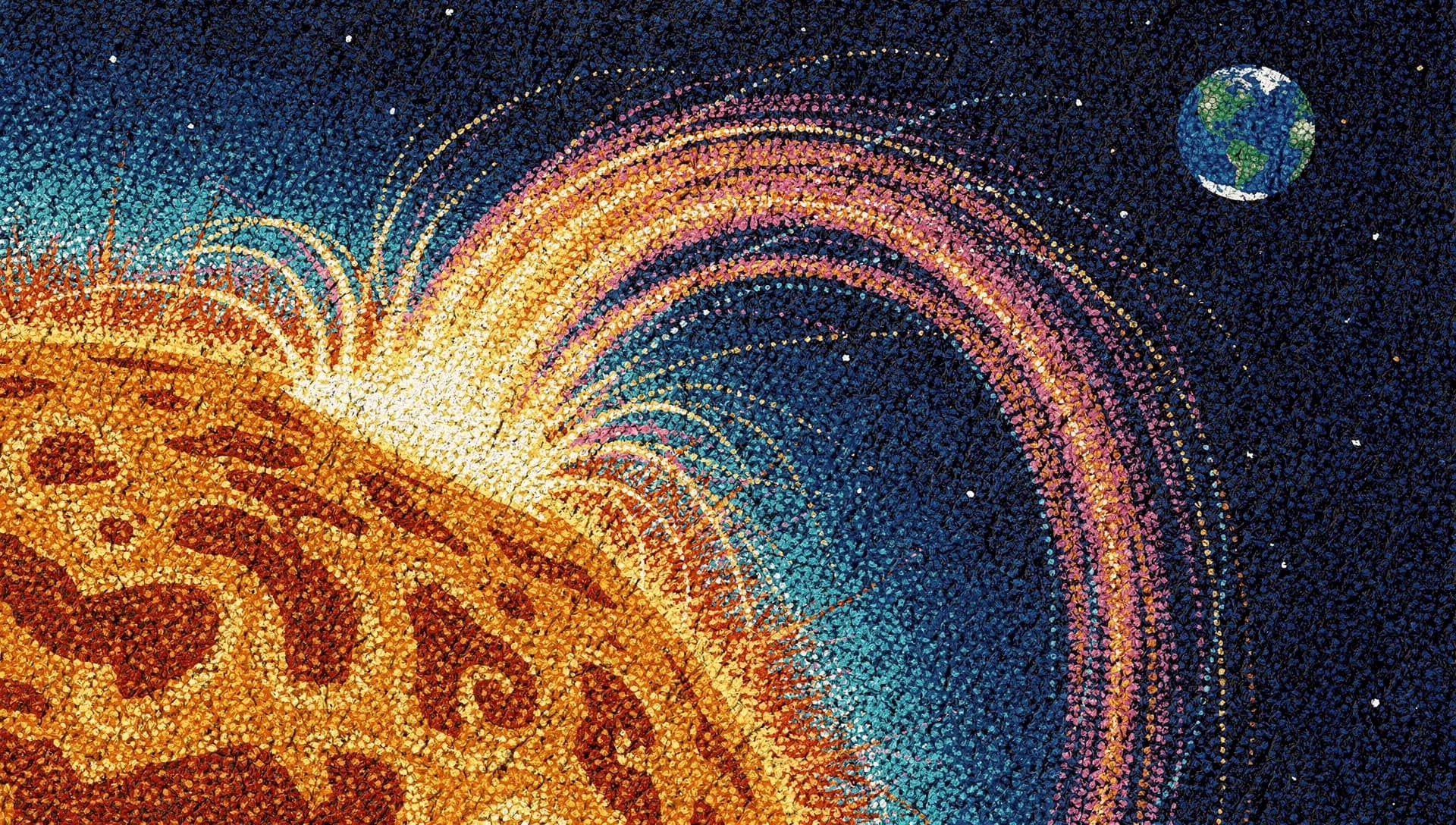
Solar flares are sudden bursts from the Sun that can disrupt radio and GPS within minutes.
Receive high-priority solar flare alerts and scientific breakdowns directly in your inbox.