 galaxos
Can you see the northern lights in Madison? Yes, on nights with strong solar activity. Madison needs about Kp 5 on the 0 to 9 scale of solar activity for a glow low in the northern sky, and activity reached that on 17 of the last 364 nights.
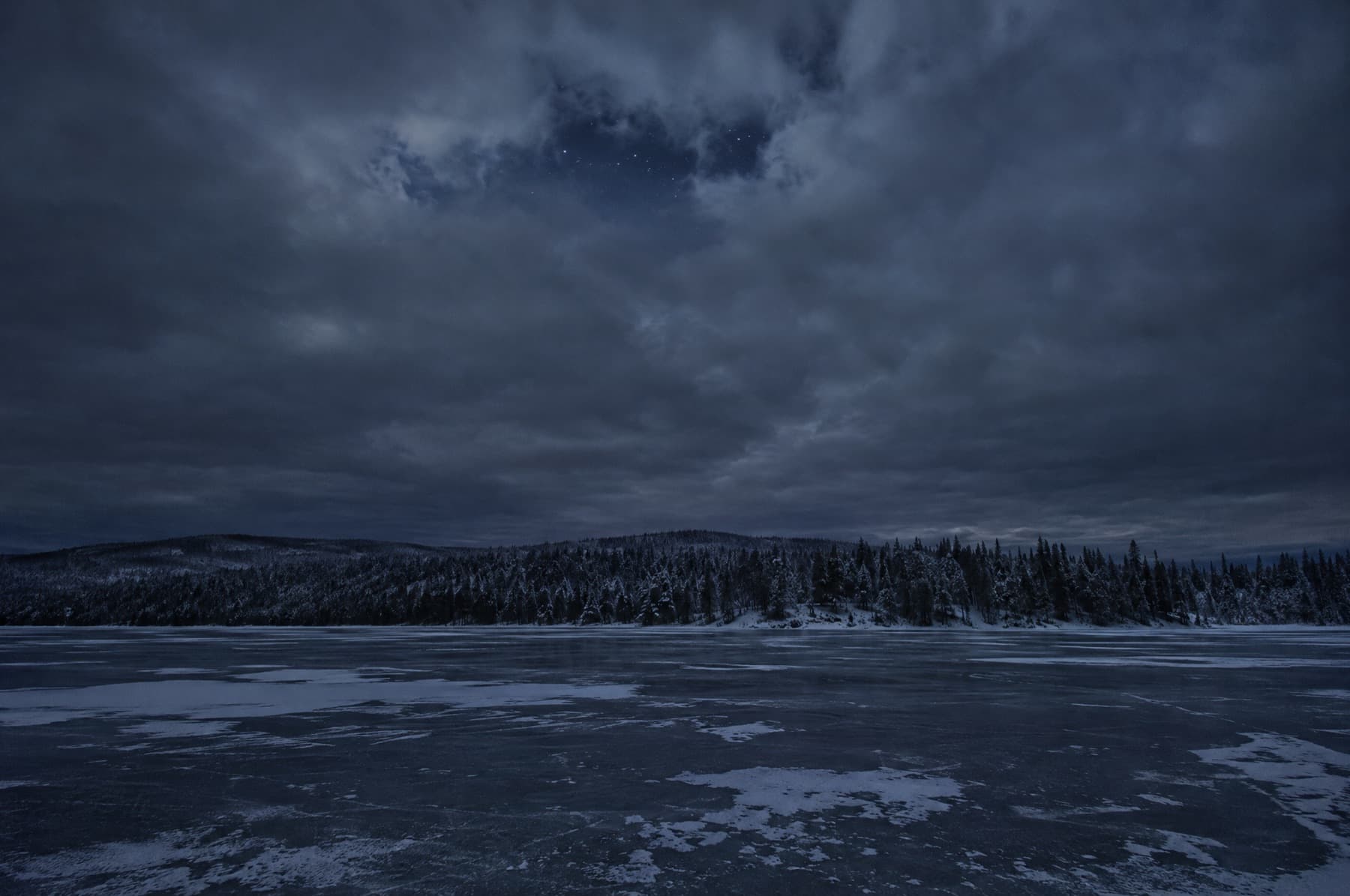
Aurora is unlikely tonight
NOAA expects tonight's Kp to peak around 1.7. Aurora here usually needs about Kp 5, so tonight is not the night.
As of 10:19 Madison time. Updated every 15 minutes.
Madison usually needs about Kp 5. Kp 1.7 is NOAA's forecast peak for tonight's dark hours here. Latest reading Kp 0.7 (12:00–15:00 UTC).
Kp is a 0 to 9 scale of how stirred up Earth's magnetic field is. The higher it goes, the further from the poles aurora reaches. More about Kp
Cloud comes and goes through the dark hours. The clearest spell is around 20:00 to 06:00. Right now it's 6%.
The number is the average over tonight's dark hours; the verdict is judged hour by hour, so one clear evening does not hide an overcast midnight. Even a strong aurora is invisible through solid cloud.
Dark until 05:44. Aurora is usually best around midnight.
Dark enough means the sun is well below the horizon, which is later than sunset. At high latitudes in summer it never gets there.
Aurora usually becomes visible from here around Kp 5, and tonight is well below that. A strong substorm can bring it lower — treat this as a guide, not a cutoff.
Aurora appears in a ring around Earth's magnetic pole. The higher the Kp, the wider the ring grows. Inside it, aurora can show anywhere in the sky; outside it, you would see it low toward the north, if at all.
A guide, not a guarantee: aurora can beat the forecast or fall short of it, so don't plan a trip on this alone.
NOAA does not expect Kp to reach 5, the level Madison needs, in the next 2 nights.
| Day | From | Kp | Sky here |
|---|---|---|---|
| Fri 13 | 09:00 | 1.3 | Daylight |
| Fri 13 | 12:00 | 1.7 | Daylight |
| Fri 13 | 15:00 | 1.7 | Daylight |
| Fri 13 | 18:00 | 1.7 | Daylight |
| Fri 13 | 21:00 | 1.7 | Night |
| Sat 14 | 00:00 | 1.3 | Night |
| Sat 14 | 03:00 | 1.3 | Night |
| Sat 14 | 06:00 | 1.3 | Daylight |
| Sat 14 | 09:00 | 1.3 | Daylight |
| Sat 14 | 12:00 | 1.7 | Daylight |
| Sat 14 | 15:00 | 1.3 | Daylight |
| Sat 14 | 18:00 | 1.7 | Daylight |
| Sat 14 | 21:00 | 1.3 | Night |
| Sun 15 | 00:00 | 1.3 | Night |
| Sun 15 | 03:00 | 1.3 | Night |
| Sun 15 | 06:00 | 1.3 | Daylight |
| Sun 15 | 09:00 | 1.3 | Daylight |
| Sun 15 | 12:00 | 1.7 | Daylight |
| Sun 15 | 15:00 | 1.7 | Daylight |
| Sun 15 | 18:00 | 3.3 | Daylight |
One email when activity is forecast to climb high enough for the aurora in Madison. Nothing else.
Madison sees the northern lights only during strong solar storms, such as October 2024, when they were visible across most of the city on two nights running. Most nights the aurora stays too far north, and city light hides fainter displays. Lake Mendota gives the city an open northern horizon that few inland cities have; for anything faint, the rural parks west of town are the answer.
Dane County parks close at 10 pm, so buy an after-hours stargazing permit online before heading to Brigham or Donald County Park on a storm night.
Nights the northern lights were seen from Madison or close by, from local reports. Newest first.
The best months in Madison are August to April, with about 13 hours of real darkness a night.
What is Kp? A number from 0 to 9 for how stormy space weather is. Most nights are 1 to 3. At 5 or more it's a storm, and the northern lights spread much further south. More about Kp
17of the last 364 nights
Kp reached 5 or more during the night hours in Madison on 17 of the last 364 nights, about the level at which aurora comes into range here. The strongest night was January 19, 2026, when Kp reached 7.3. This counts activity, not sightings: cloud, moonlight and light summer nights decide how many of those nights anything could be seen.
| Month | Nights |
|---|---|
| Nov | 0 of 18 |
| Dec | 1 of 31 |
| Jan | 2 of 31 |
| Feb | 3 of 28 |
| Mar | 3 of 31 |
| Apr | 4 of 30 |
| May | 0 of 31 |
| Jun | 1 of 30 |
| Jul | 1 of 31 |
| Aug | 0 of 31 |
| Sep | 1 of 30 |
| Oct | 1 of 31 |
| Nov | 0 of 11 |
Kp index and forecast from NOAA SWPC. Cloud cover and sun times from Open-Meteo. Kp history from GFZ Potsdam (CC BY 4.0). Magnetic latitude is AACGM-v2, epoch 2026.