
Solar Flares: Understanding Their Impact on Earth
Solar flares are sudden bursts from the Sun that can disrupt radio and GPS within minutes.
Solar Flares: Understanding Their Impact on Earth
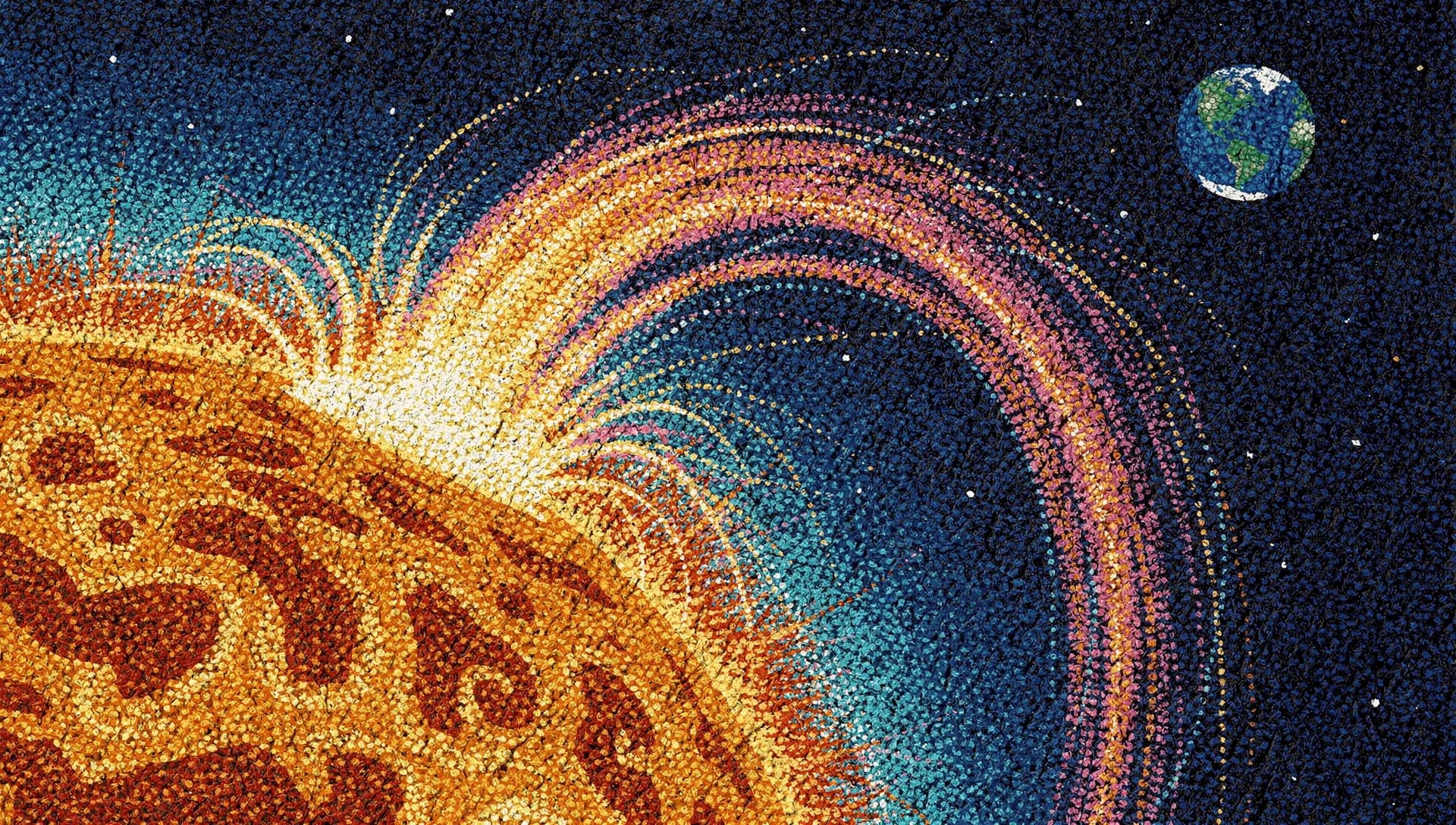
A solar flare is a sudden burst of energy from the Sun. The key thing to know as a beginner is that flares are fast: the radiation travels at the speed of light, so effects can show up on Earth within minutes, especially for radio communication on the sunlit side of the planet.
Flares are grouped by size using letters: A, B, C, M, X, where each step is about ten times stronger than the one before. Most days sit around the smaller classes; the larger the letter, the more likely you are to see noticeable impacts like stronger radio blackouts. (Not every big flare causes a big chain reaction — it depends on where it happens and what follows.)
Another common confusion: a flare is not the same thing as a CME. A flare is the flash; a CME is a cloud of solar material that can arrive 1–3 days later and drive geomagnetic storms. That’s why you can see “flare now” and “storm later” as two separate phases of space weather.
On GalaxOS, treat the X-ray flux chart as the “flare happening now” signal, and treat Alerts as the plain‑English summary of whether impacts are expected.